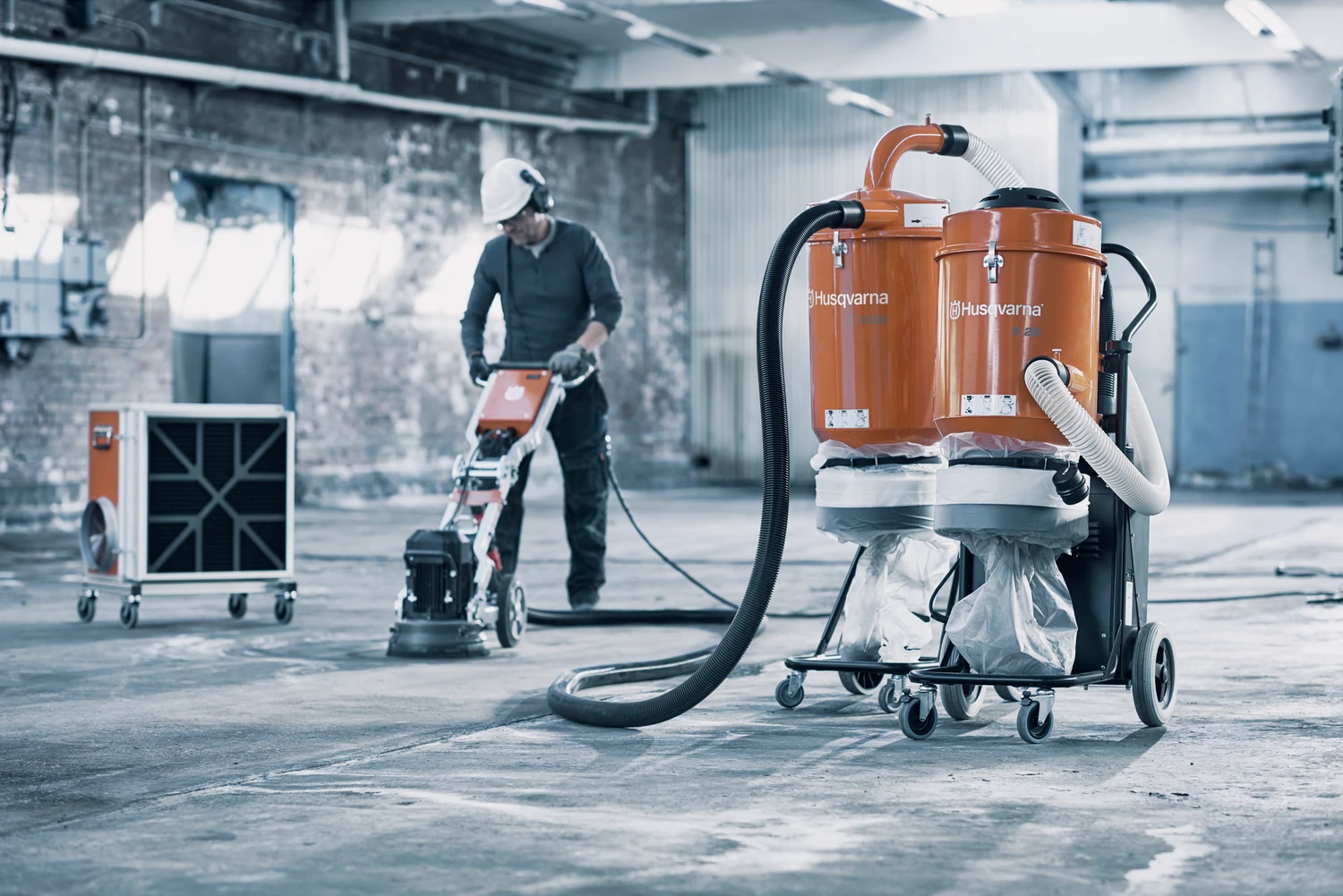
Grinding is a foundational process across countless industrial settings, from metal fabrication shops and construction sites to large-scale manufacturing facilities. While it remains an essential operation for shaping, finishing, and preparing materials, it also generates substantial quantities of fine dust and airborne particles that can seriously compromise both air quality and worker safety. Understanding how dust extraction systems address these challenges matters greatly for anyone responsible for maintaining a safe and productive workspace. Effective dust management goes far beyond simple comfort — it is a critical component of workplace health and regulatory compliance.
The Nature of Grinding Dust and Its Hazards
When you perform grinding operations, the process produces a wide variety of particulate matter depending on the materials involved. Metal grinding, for instance, generates fine metallic particles and oxides, while grinding concrete or stone releases silica dust — a substance known to cause serious respiratory conditions with prolonged exposure. These particles vary considerably in size, with the most dangerous being those small enough to penetrate deep into the lungs, commonly referred to as respirable particles. Because many of these particles are invisible to the naked eye, workers may not immediately recognize the full extent of their exposure. Over time, repeated inhalation of grinding dust can contribute to chronic respiratory conditions, including occupational asthma and silicosis, making proactive dust control a non-negotiable aspect of responsible facility management.
How Dust Extraction Systems Function
Dust extraction systems work by capturing airborne particles at or near the source before they have any opportunity to disperse throughout the work environment. Most systems consist of a suction unit, a collection mechanism, and a multi-stage filtration assembly designed to trap particles across a range of sizes. High-efficiency filters — such as HEPA filtration — are capable of capturing extremely fine particulate matter that standard ventilation systems would otherwise allow to circulate freely. By drawing contaminated air away from the breathing zone and passing it through a series of filtration stages, these systems significantly reduce the concentration of harmful particles in the ambient air. When professionals need to manage hazardous particulate at the source, a quality grinder dust extractor integrates directly with grinding equipment to provide continuous, localized extraction throughout the work process.
Improvements to Air Quality in the Workspace
One of the most direct benefits of dust extraction is the measurable improvement in air quality across the entire industrial environment. Without extraction in place, grinding dust circulates freely through the facility, settles on surfaces, and re-enters the air with any movement or airflow disturbance. Dust extraction systems interrupt this cycle by removing particles before they have a chance to accumulate or spread to surrounding areas. Cleaner air reduces the burden on workers’ respiratory systems and decreases the risk of long-term occupational health issues developing over a career. Beyond health outcomes, improved air quality tends to support better overall worker comfort, which correlates with higher levels of focus and sustained productivity during physically demanding tasks. Regulatory bodies such as OSHA set permissible exposure limits for various types of industrial dust, and extraction systems are frequently essential to achieving and maintaining compliance with those standards.
Enhanced Visibility and Operational Precision
Beyond the clear health implications, excessive airborne dust in a grinding environment creates a serious visibility problem that can affect both the quality and safety of your work. When dust clouds obscure your line of sight, it becomes considerably harder to assess the workpiece accurately, increasing the likelihood of errors, rework, and material waste. Reduced visibility can also mask developing hazards such as equipment malfunctions, surface defects, or other workers moving in close proximity to active machinery. Dust extraction systems help maintain a clearer work area, allowing you to monitor the grinding process closely and make real-time adjustments with greater confidence. This improved visibility ultimately contributes not only to personal safety but also to the consistency and quality of the finished product.
Long-Term Benefits for Equipment and Facility Maintenance
Grinding dust does not only affect the people working in the facility — it also has a significant impact on machinery, tools, and the broader infrastructure around them. Fine particles can infiltrate motors, bearings, and moving components, accelerating wear and driving up the frequency of mechanical failures and unplanned downtime. Dust accumulation on electrical components can create fire and short-circuit hazards that pose serious risks to the entire operation, not just individual machines. When you implement an effective extraction system, you reduce the volume of particulate matter settling throughout the facility, which extends the service life of equipment and lowers maintenance costs over time. A cleaner environment also simplifies routine housekeeping and reduces the risk of slip and fall incidents caused by dust buildup on floors and walkways.
Conclusion
Grinding dust extraction plays a fundamental role in protecting worker health, maintaining safe operating conditions, and preserving the integrity of industrial equipment across demanding environments. By addressing airborne particulate matter directly at the source, these systems deliver consistent improvements to air quality and visibility that benefit every aspect of the work environment. For anyone responsible for an industrial operation involving grinding, understanding the function and value of dust extraction is an important step toward building a safer and more efficient workspace. Consulting with specialists in industrial air filtration can help you identify the right system for your specific application, workflow requirements, and regulatory obligations.