Packaging has become an important part of how businesses protect products, communicate quality, and build memorable customer experiences. While flexible and lightweight packaging works well for many applications, premium and fragile products often require something stronger. Rigid packaging boxes provide the durability, structure, and visual appeal that brands need when presentation matters as much as protection.
From cosmetics and jewelry to electronics, books, candles, and gift sets, rigid packaging can be adapted to a wide range of products. Modern designs also allow businesses to combine premium aesthetics with sustainable materials, making rigid packaging a practical choice for brands focused on both performance and environmental responsibility.
This guide explores the key advantages, design possibilities, sustainability benefits, and practical considerations businesses should understand before choosing rigid packaging.
What Are Rigid Packaging Boxes?
Rigid packaging boxes are sturdy containers made from thick paperboard or other durable materials designed to maintain their shape. Unlike folding cartons, which are typically lightweight and flexible, rigid boxes provide a more substantial structure.
They are commonly used for products that require:
- Enhanced protection.
- Premium presentation.
- Long-term storage.
- Custom branding.
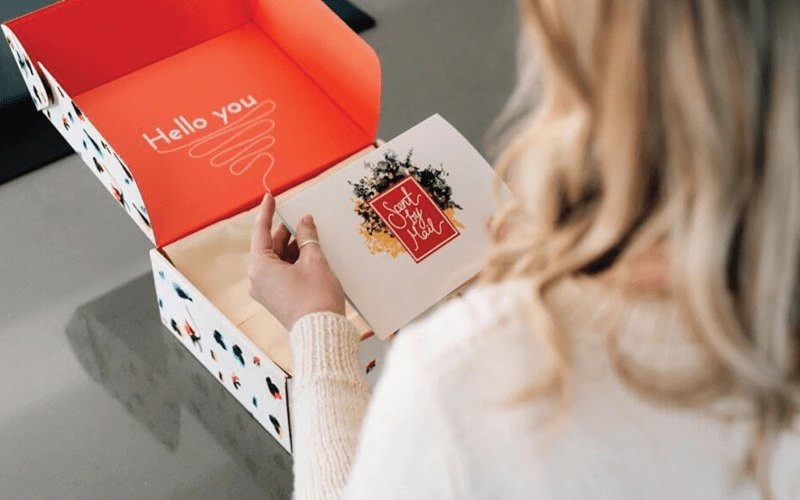
- A memorable unboxing experience.
How Rigid Boxes Differ From Standard Cartons
The main difference is structural strength.
Standard folding cartons are designed to be lightweight and efficient, while rigid boxes are constructed to provide a stronger, more substantial presentation. This makes them especially useful for premium products where packaging quality influences customer perception.
Strength: Protecting Products Throughout the Supply Chain
One of the biggest reasons businesses choose rigid packaging is its durability.
Products can experience considerable handling during manufacturing, warehousing, shipping, and retail display. Strong packaging helps reduce the risk of damage throughout this journey.
Protection During Shipping
Well-designed rigid boxes can help protect products from:
- Pressure.
- Minor impacts.
- Scratches.
- Crushing.
- Product movement.
- General handling damage.
This is especially important for fragile or expensive products.
Custom Inserts Add Extra Protection
The interior of a rigid box can be designed around the product.
Common insert options include:
- Foam.
- Molded paper.
- Cardboard dividers.
- Velvet.
- Fabric.
- Paperboard trays.
A properly fitted insert keeps the product secure and creates a more organized presentation.
The Role of Box Packaging in Brand Recognition
Effective box packaging can help customers immediately identify a product and connect it with a particular brand.
Consistent Branding Builds Recognition
Using consistent:
- Logos.
- Colors.
- Typography.
- Patterns.
- Finishing techniques.
across packaging helps create a recognizable visual identity.
A customer should be able to associate the packaging with the brand even before seeing the product name.
Packaging Can Support Premium Pricing
Customers often associate quality packaging with quality products.
While packaging cannot replace product quality, it can reinforce perceptions of:
- Craftsmanship.
- Exclusivity.
- Reliability.
- Attention to detail.
- Professionalism.
This is particularly valuable for luxury and premium product categories.
Popular Types of Rigid Packaging
Rigid packaging comes in many structures, allowing businesses to select a format that fits their product and customer experience.
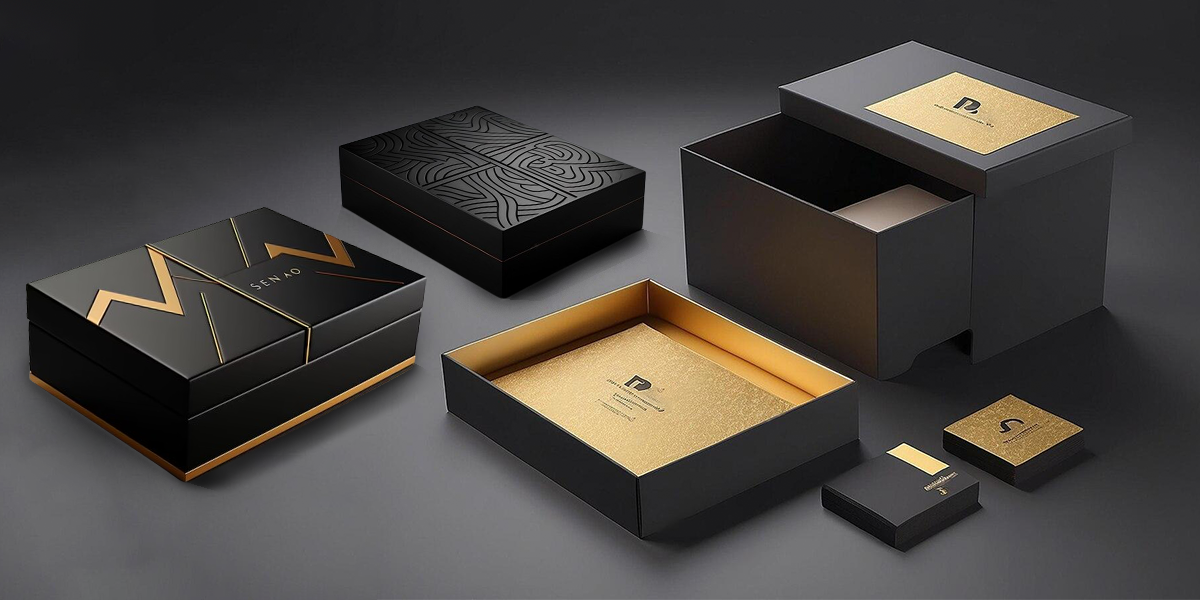
Two-Piece Rigid Boxes
These consist of a separate lid and base and are commonly used for:
- Gifts.
- Cosmetics.
- Jewelry.
- Apparel accessories.
- Premium stationery.
Magnetic Closure Boxes
These use hidden magnets to create a smooth opening and closing experience.
They are particularly suitable for luxury products where presentation is a major part of the purchase.
Drawer-Style Boxes
Drawer boxes slide open like a drawer and can create an elegant presentation for small or premium products.
Book-Style Boxes
These feature a hinged construction that opens similarly to a book, making them useful for gift sets, cosmetics, electronics, and collector’s products.
Collapsible Rigid Boxes
Collapsible designs fold flat when not in use, helping businesses reduce storage and transportation requirements while retaining a premium rigid appearance.
Industries That Benefit From Rigid Packaging
The versatility of rigid boxes makes them suitable for numerous industries.
They are commonly used for:
- Cosmetics.
- Jewelry.
- Watches.
- Perfumes.
- Electronics.
- Books.
- Candles.
- Gourmet foods.
- Chocolates.
- Fashion accessories.
- Corporate gifts.
- Collector’s editions.
Each industry can customize the structure and appearance according to its product and target audience.
The Future of Rigid Packaging
The future of rigid packaging will likely focus on balancing luxury, efficiency, and environmental responsibility.
Brands are increasingly looking for packaging that offers:
- Strong product protection.
- Premium presentation.
- Reusable structures.
- Recyclable materials.
- Personalized branding.
- Efficient shipping.
- Interactive experiences.
As customer expectations continue to rise, packaging will become an even more important part of the overall product experience.
Conclusion
Rigid packaging boxes combine strength, style, and versatility, making them an effective solution for businesses that want to protect their products while creating a premium customer experience. Their sturdy construction helps reduce damage, while customizable designs allow brands to communicate their identity through every detail.
With thoughtful box packaging, businesses can create memorable unboxing experiences, strengthen brand recognition, and support premium positioning. By choosing durable materials, efficient structures, sustainable options, and purposeful designs, brands can develop rigid packaging that delivers value from production and shipping to the customer’s final unboxing experience.